
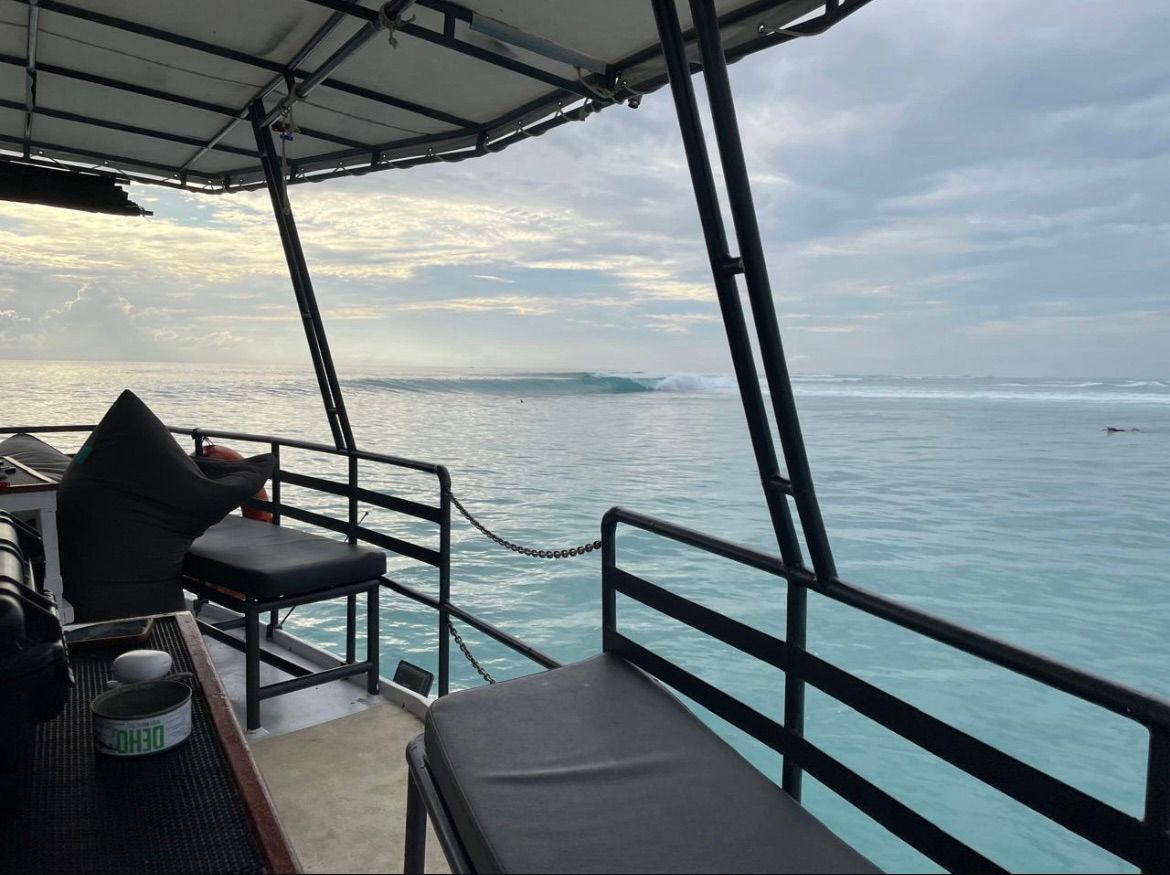
The Mentawai Islands break all year. But the size of the swell, the strength of the wind and the size of the crowd change month to month, and picking the right window is the single biggest decision of your trip.
The short answer
The prime Mentawai surf season runs from April to October, when consistent long-period groundswells march up from the Southern Ocean and the trade winds stay light and offshore. Inside that window, June, July and August deliver the biggest, most reliable swell, while the shoulder months of April, May, September and October trade a little size for cleaner conditions and thinner line-ups.
From November to March the islands slip into the wet season: smaller, softer waves, warmer water and, crucially, almost nobody around. It is the Mentawais' best-kept secret for improvers and anyone who cannot stand a crowd.
Peak season: June to August
This is the classic Mentawai window, the one you have seen in every surf film. Groundswells arrive with real power and metronomic consistency, and the marquee reefs, the ones that make the region the most famous surf destination on earth, are firing on repeat. Expect head-high to well overhead waves, with the biggest pulses pushing 6 to 10 feet and beyond.
The trade-off is company. Peak season is when the charter fleet and every camp are fully booked, so the popular breaks carry a crowd. This is exactly where a live-aboard surf charter earns its keep: when the boat can move with the swell, you surf the wave that is working with the fewest people on it, rather than the wave nearest your bed.
Shoulder season: April to May and September to October
For a lot of surfers, the shoulder months are the sweet spot. You still get quality long-period swell, but the winds are often cleaner, the water is glassy more often, and the peak-season crowds have thinned right out. Waves in the 4 to 8 foot range are common, which is plenty of size for most people and far more manageable than a maxing peak-season swell.
If you want the best ratio of quality waves to empty line-ups, and especially if you are a solid intermediate rather than a hardened barrel-hunter, aim for late April, May, September or early October.
Off-season: November to March
The wet season is quieter in every sense. Swells are smaller and less frequent, there is more chance of rain, and the wind is less reliable. But the water is warm, the islands are green and lush, and you can surf fun, forgiving waves with barely another surfer in sight.
For beginners and early intermediates, the off-season and the shoulder months are often the smartest time to come. Smaller waves are more fun to learn on, and a land-based surf camp lets you pick and choose the gentler breaks on your own schedule.
Month by month, at a glance
- April: Season opens. Building swell, clean winds, light crowds.
- May: Excellent shoulder month. Consistent swell, uncrowded.
- June to August: Peak. Biggest, most consistent swell, busiest line-ups.
- September: Prime shoulder again. Quality waves, crowds easing.
- October: Season winds down. Still fun, increasingly empty.
- November to March: Off-season. Smaller, warmer, all but deserted.
Charter or camp for your chosen season?
In peak season, mobility wins: the Ombak Kabau and the Odyssey Mentawai catamaran can chase the cleanest sandbank or reef and duck the crowds. In the shoulder and off-season, a camp like Sunset Surf Villas or Jenny's Bamboo Surfcamp is hard to beat: the waves out front are working, the crowds are gone, and you set your own pace.
When to book
Peak-season boats and camps fill up as much as a year in advance, so if your heart is set on July, book early. Shoulder and off-season trips can often be arranged with far less notice. Whatever your window, tell us your dates and your crew and we will match you to the right boat or camp for the conditions you will actually get.